


Essential Guide to Restoring a Colonial Adobe House in Granada Nicaragua: Tips Materials and Best Practices
Restoring an old colonial adobe house in Granada, Nicaragua, offers a unique chance to preserve history while creating a beautiful, livable space. These homes tell stories through their thick walls and traditional designs, but renovating them requires careful planning and respect for original materials. This guide shares key criteria for restoring adobe houses, suggests materials that maintain historical integrity, and outlines best practices for a successful renovation. Whether you are a homeowner, architect, or enthusiast, these insights will help you bring new life to a colonial treasure.

Understanding Key Constructive Criteria for Adobe House Restoration
Adobe houses in Granada are built with sun-dried earth bricks, thick walls, and wooden beams. Their construction reflects centuries-old techniques adapted to the local climate. When restoring these homes, it is essential to respect their structural and material characteristics.
Preserve the original adobe bricks: Adobe bricks are fragile but durable when maintained properly. Avoid replacing entire walls unless absolutely necessary. Instead, repair damaged bricks with compatible mud mixtures.
Maintain wall thickness: The thick walls provide insulation and structural stability. Any modifications should keep the original thickness to avoid weakening the building.
Use breathable materials: Adobe walls need to breathe to prevent moisture buildup. Avoid cement-based plasters or paints that trap water inside the walls.
Protect from water damage: Granada’s rainy season can harm adobe walls. Ensure proper drainage around the house and repair roof leaks promptly.
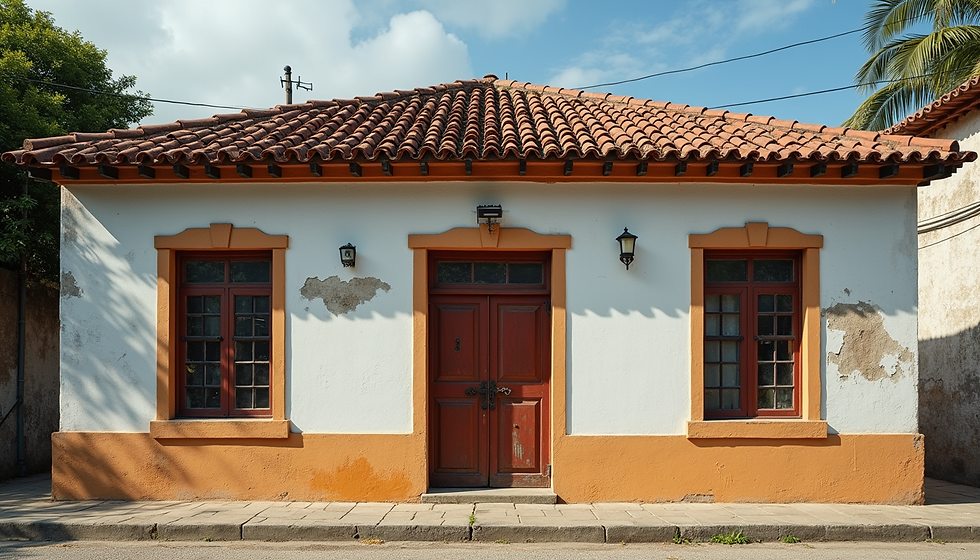
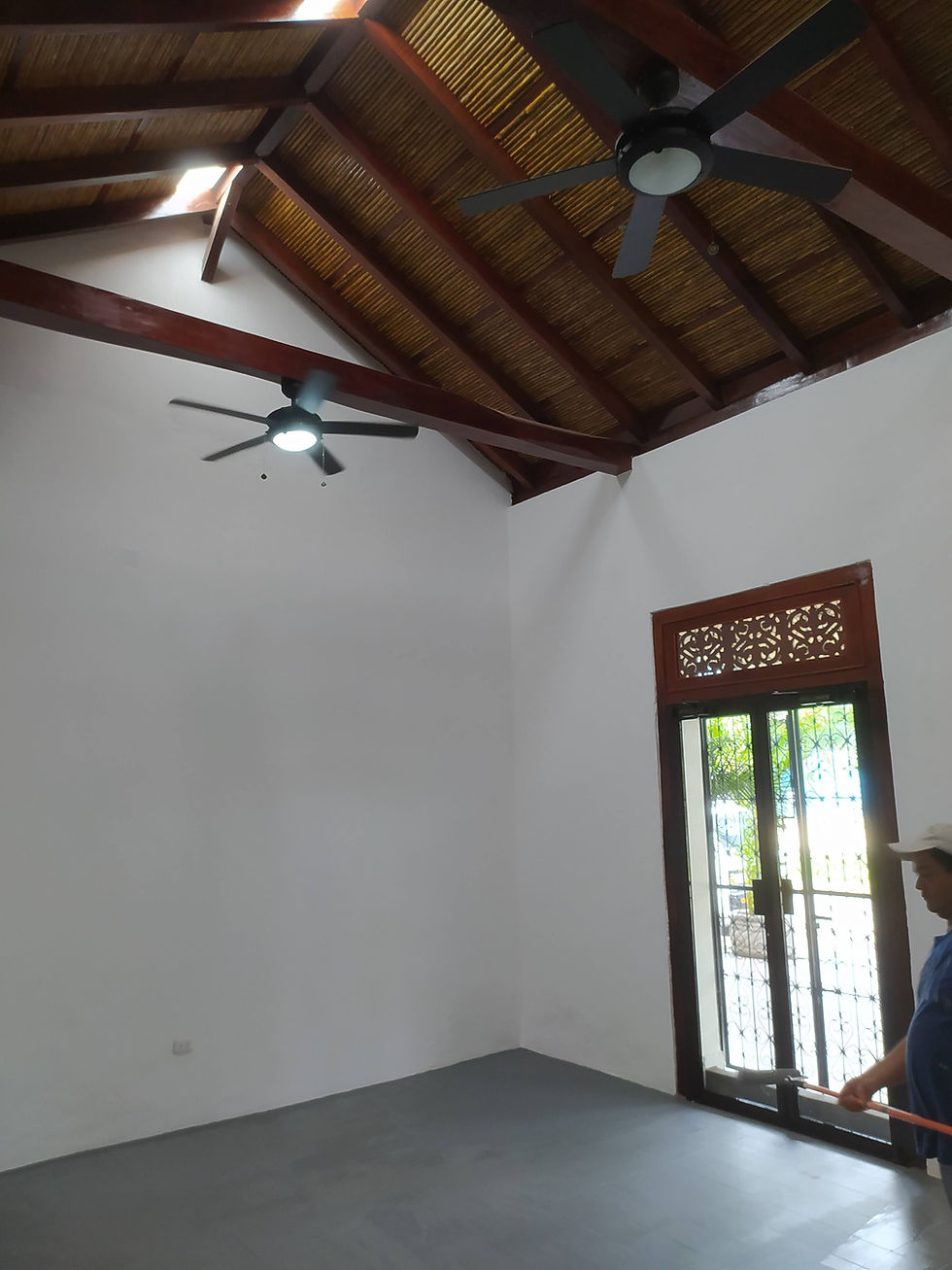
Respect traditional roof structures: Wooden beams and clay tiles are typical. Reinforce beams if needed but keep the original style and materials.
These criteria help maintain the house’s strength and authenticity while adapting it for modern use.
Recommended Materials That Preserve Historical Integrity
Choosing the right materials is crucial to keep the colonial adobe house’s character intact. Modern substitutes often damage the structure or alter its appearance.
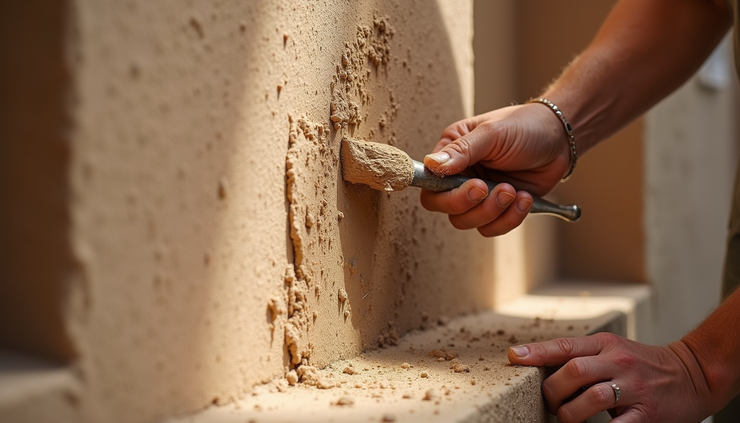
Adobe bricks and mud plaster: Use locally made adobe bricks or mix your own with clay, sand, straw, and water. For plaster, a similar mud mixture with natural fibers works best.
Lime plaster: When a more durable finish is needed, lime plaster is a good alternative. It is breathable and compatible with adobe.
Natural pigments: For coloring walls, use natural earth pigments mixed with lime or mud plaster to match original hues.
Wood: Use local hardwoods for beams, doors, and window frames. Avoid treated or synthetic wood that can clash with the historic look.
Clay roof tiles: Source traditional clay tiles from local artisans. These tiles provide the right weight and appearance.
Natural sealants: Avoid synthetic paints or sealants. Instead, use natural oils or waxes to protect wood surfaces.
Sourcing these materials locally supports Granada’s artisans and ensures compatibility with the original construction.
Best Practices for a Successful Renovation Project
Renovating a colonial adobe house requires careful coordination and respect for traditional methods. Here are some best practices to guide your project:
Start with a detailed assessment: Hire a professional familiar with adobe structures to inspect the house. Identify structural issues, moisture problems, and areas needing repair.
Create a restoration plan: Outline the scope of work, materials needed, and timeline. Include preservation goals to keep the house’s historical features.
Work with experienced contractors: Choose builders who have experience with adobe and colonial architecture. They understand the nuances of working with fragile materials.
Document each step: Take detailed photos before, during, and after renovation. This documentation helps track progress and can be valuable for future maintenance.
Involve local artisans: Collaborate with local craftsmen for woodwork, tile making, and plastering. Their skills preserve authenticity.
Use traditional tools and techniques: Whenever possible, apply traditional methods for mixing adobe, laying bricks, and applying plaster.
Plan for modern needs carefully: Integrate plumbing, electrical, and insulation discreetly to avoid damaging walls or altering the house’s appearance.
Protect the site during work: Shield walls from rain and sun exposure during construction to prevent damage.
Following these practices leads to a renovation that honors the past while providing comfort and durability.
Tips on Sourcing Materials and Working with Contractors
Finding the right materials and skilled workers can be challenging but is essential for a quality restoration.
Visit local markets and workshops: Granada has artisans specializing in adobe bricks, clay tiles, and woodwork. Visiting them helps you select authentic materials.
Ask for samples: Before buying large quantities, request samples of adobe bricks, plaster, and tiles to check quality and color.
Check references for contractors: Interview contractors about their experience with adobe houses. Ask for examples of past projects.
Negotiate clear contracts: Define the scope, timeline, and payment terms upfront. Include clauses about preserving historical features.
Plan for seasonal weather: Schedule work during dry months to avoid moisture problems.
Stay involved: Regularly visit the site to monitor progress and ensure adherence to restoration goals.
Budget for contingencies: Old houses often reveal hidden issues. Set aside funds for unexpected repairs.
Building relationships with local suppliers and contractors not only supports the community but also ensures a smoother renovation process.


Comments