


Essential Criteria for Designing a Well-Ventilated Colonial House in Granada, Nicaragua
Granada, Nicaragua, is renowned for its colonial architecture that blends history, culture, and a tropical climate demanding smart solutions to keep homes cool and comfortable. A well-ventilated colonial house not only improves living quality but also preserves the architectural essence of the region. This article explores essential criteria to achieve optimal ventilation in colonial houses in Granada, using passive techniques that harness the natural environment to enhance air circulation.

The Importance of Ventilation in Colonial Houses in Granada
Granada’s tropical climate features high temperatures and humidity most of the year. Without proper ventilation, houses can become uncomfortable and prone to moisture and mold problems. Traditional colonial architecture already includes elements that favor air circulation, but understanding how to optimize them for current conditions is essential.
Good ventilation helps:
Keep indoor temperatures cool without heavy reliance on air conditioning.
Reduce humidity and prevent structural damage.
Improve indoor air quality by avoiding odors and pollutant buildup.
Preserve the historical and aesthetic value of the home.
Window and Door Design to Maximize Airflow
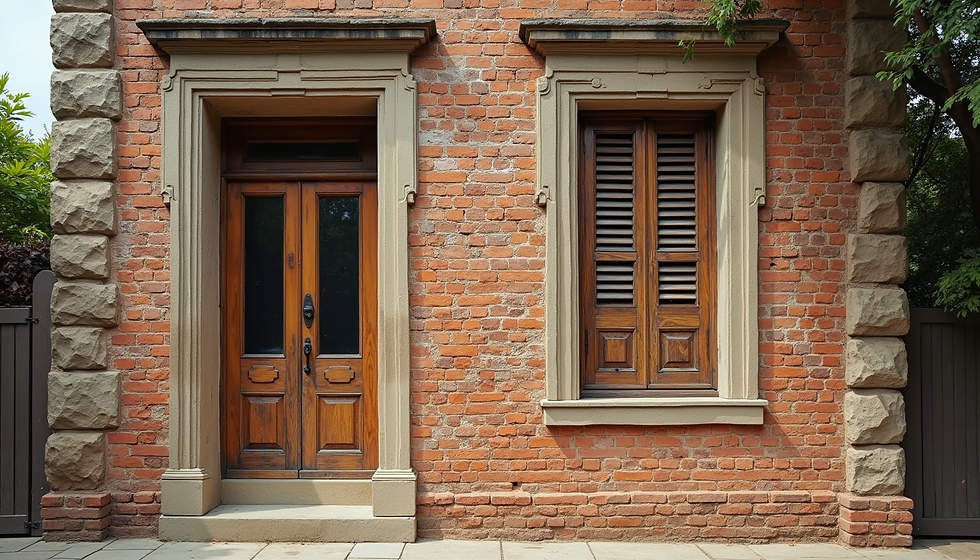
Windows and doors are the main channels for air entry and exit. Colonial houses in Granada typically feature large windows with wrought iron grilles that allow airflow without compromising security.
Tall and Wide Windows
Windows should be placed strategically to capture prevailing winds. Tall windows allow hot air, which rises, to escape easily, while lower windows facilitate fresh air entry.
Double and Ventilated Doors
Double doors with panels that open partially allow airflow control without losing privacy or security. Doors with latticework or grilles enable continuous ventilation.
Orientation and Placement
Positioning windows and doors toward Granada’s prevailing wind direction is key to maximizing cross ventilation. This means air can enter from one side and exit the opposite, creating a steady airflow.
Using Interior Courtyards and Corridors to Enhance Air Circulation
Interior courtyards are a classic colonial feature that significantly contributes to natural ventilation. They act as lungs that cool the air and distribute it throughout the rooms.
Courtyards with vegetation: Plants help cool the air and maintain a pleasant atmosphere.
Open corridors: Corridors connecting different areas allow air to flow freely throughout the house.
Fountains or ponds: Moving water in the courtyard adds a cooling effect.
High Ceilings and Materials That Promote Ventilation
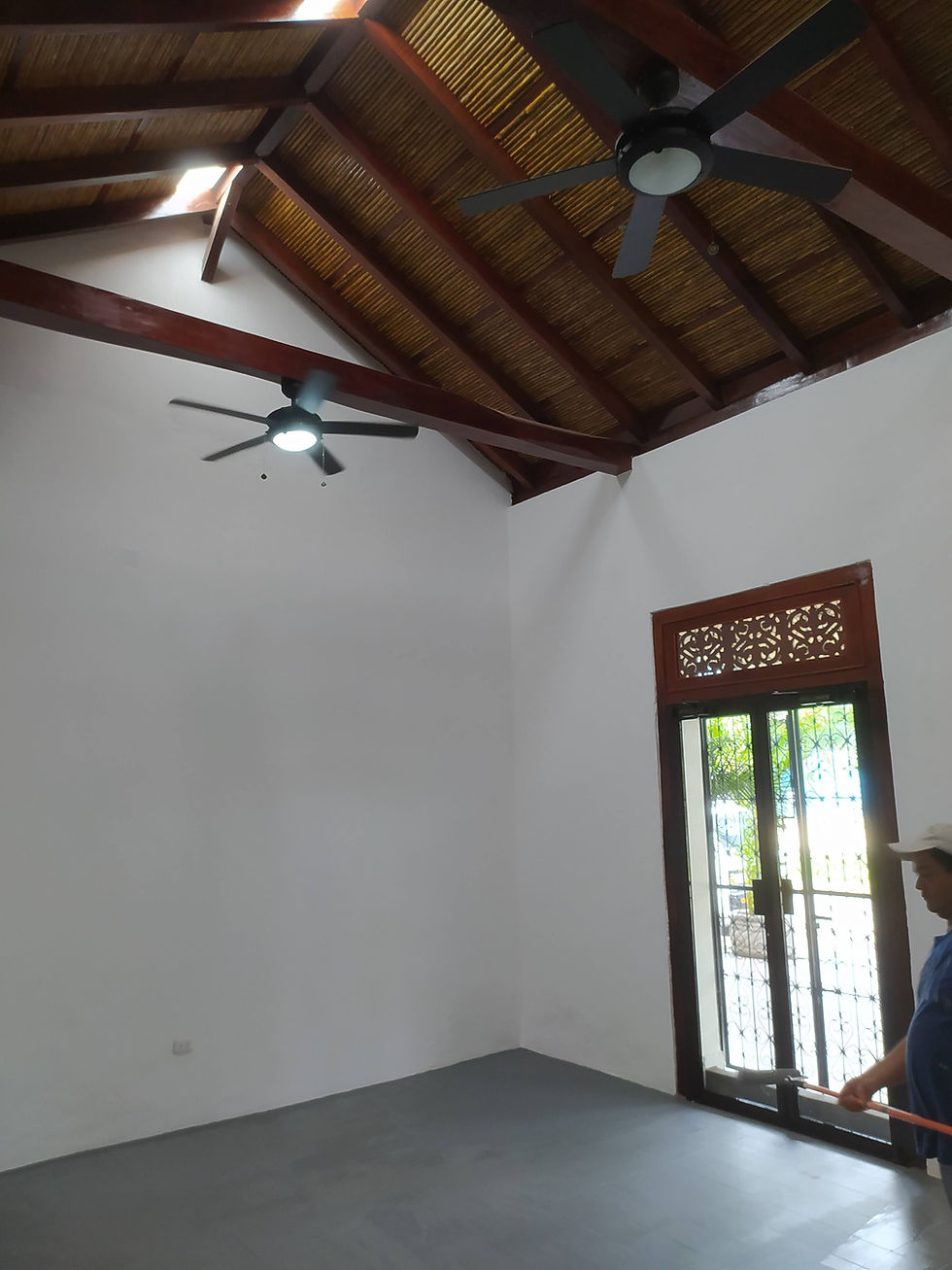
High ceilings are characteristic of colonial houses and serve a practical purpose: they allow hot air to rise away from living areas.
Traditional Materials and Their Impact
Clay tiles: Porous and allow some breathability, helping regulate temperature.
Wood and exposed beams: Facilitate airflow in the roof and provide natural insulation.
Thick adobe or brick walls: Keep interiors cool by absorbing heat during the day and releasing it slowly.
Roof Ventilation
Including vents at the top of the roof, such as skylights or grilles, allows hot air to escape, improving overall circulation.
Additional Passive Techniques to Optimize Ventilation
Beyond traditional architectural elements, passive techniques can be integrated to improve ventilation without increasing energy use.
Cross ventilation: Designing the house so air can enter and exit from opposite sides.
Chimney effect: Using openings low and high in the house so hot air rises and exits, drawing in fresh air.
Natural shading: Planting trees or installing pergolas to reduce direct solar radiation on walls and windows.
Light colors: Painting walls and ceilings in light colors to reflect heat and keep interiors cool.
Practical Example: Colonial House in Granada’s Historic Center
A typical colonial house in Granada’s historic center might have:
Large windows with grilles and shutters that open fully.
A central courtyard with fruit trees and a small fountain.
High ceilings with clay tiles and upper ventilation.
Thick adobe walls painted white to reflect sunlight.
Double doors allowing cross ventilation throughout the day.
This design maximizes passive techniques to maintain a cool, pleasant environment without relying on mechanical systems.

Comments